
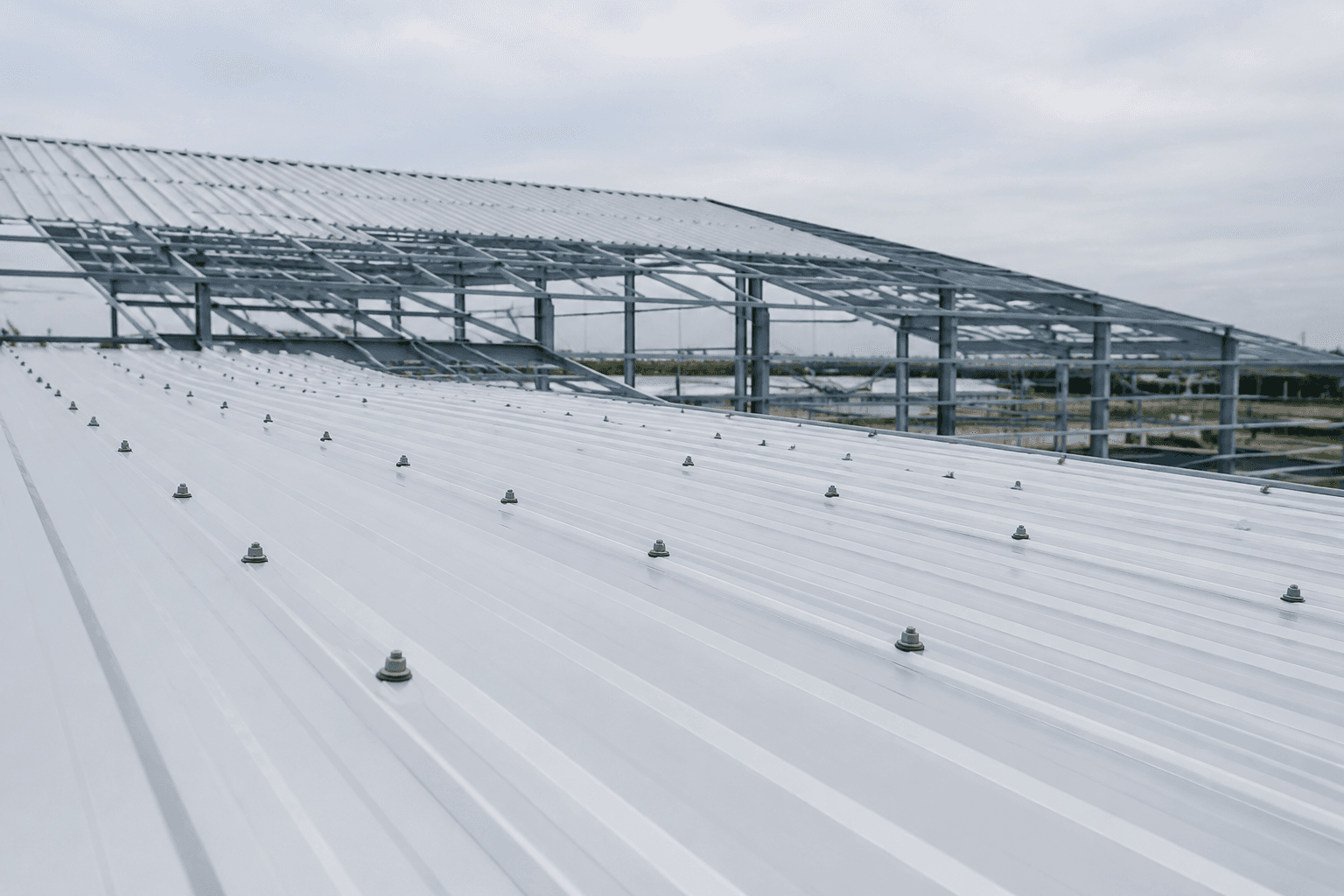
Self-Drilling Screw Drill Point Chart: Matching Screw Points to Steel Thickness
Choosing a self-drilling screw for a steel assembly requires more than selecting a diameter and length. The correct drill point must match the actual steel thickness, the connection design, the required thread engagement, and the installation method.
A self-drilling screw performs two jobs in one operation: the drill point creates the hole, and the threads form and hold the connection. When the selected Tek screw does not match the target steel, installation may become slow or inconsistent. Common problems include overheating, damaged drill points, oversized holes, stripped threads, poor holding performance, and unnecessary tool wear.
This self-drilling screw drill point chart provides a practical starting point for matching drill points to steel thickness in roofing, cladding, framing, and industrial fastening work.
What Is a Self-Drilling Screw Drill Point?
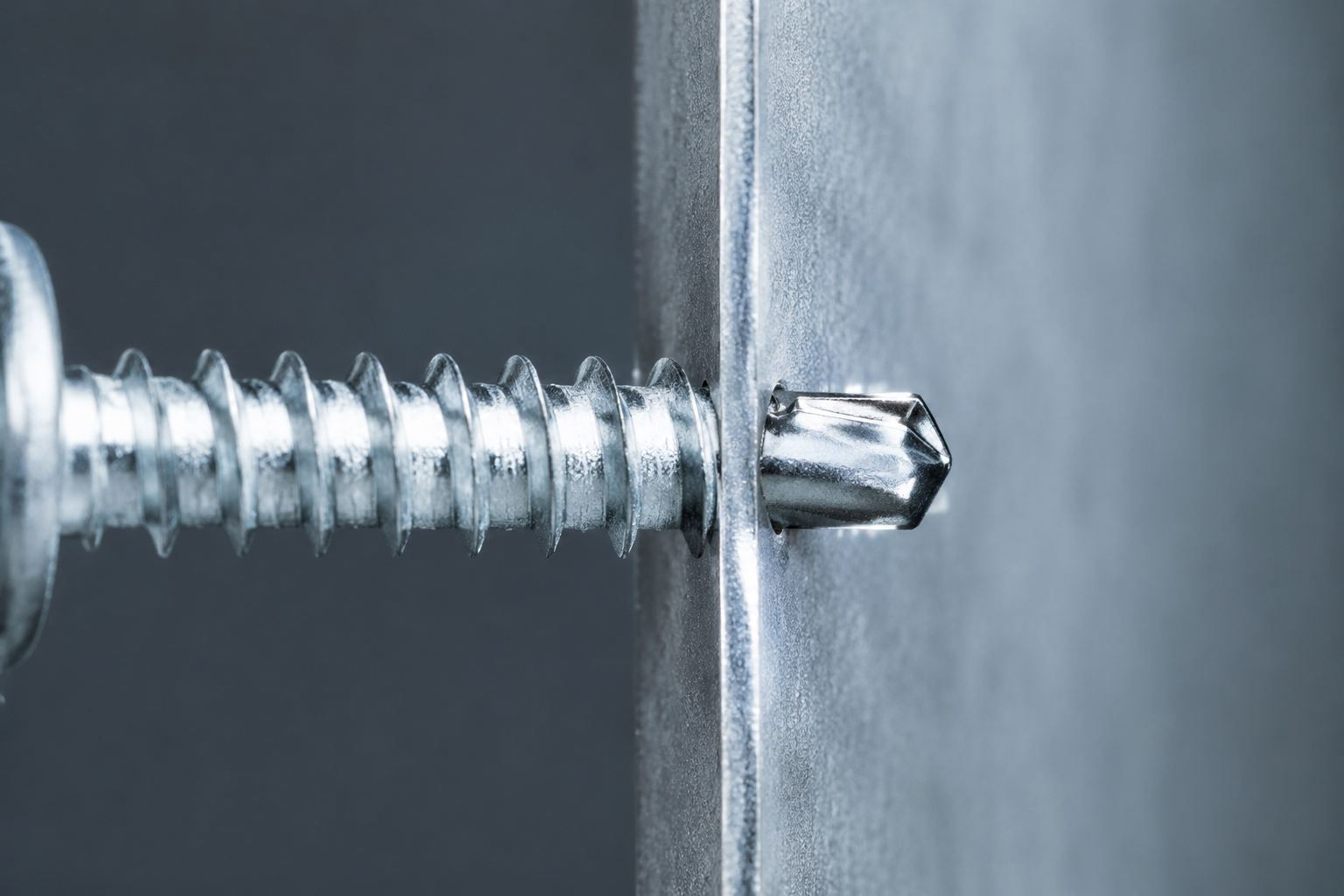
A self-drilling screw has a drill-shaped tip that creates an opening before the threaded section engages the base material. Unlike many conventional self-tapping screws, a self-drilling screw can drill, tap, and fasten in a continuous installation process when the correct point is selected.
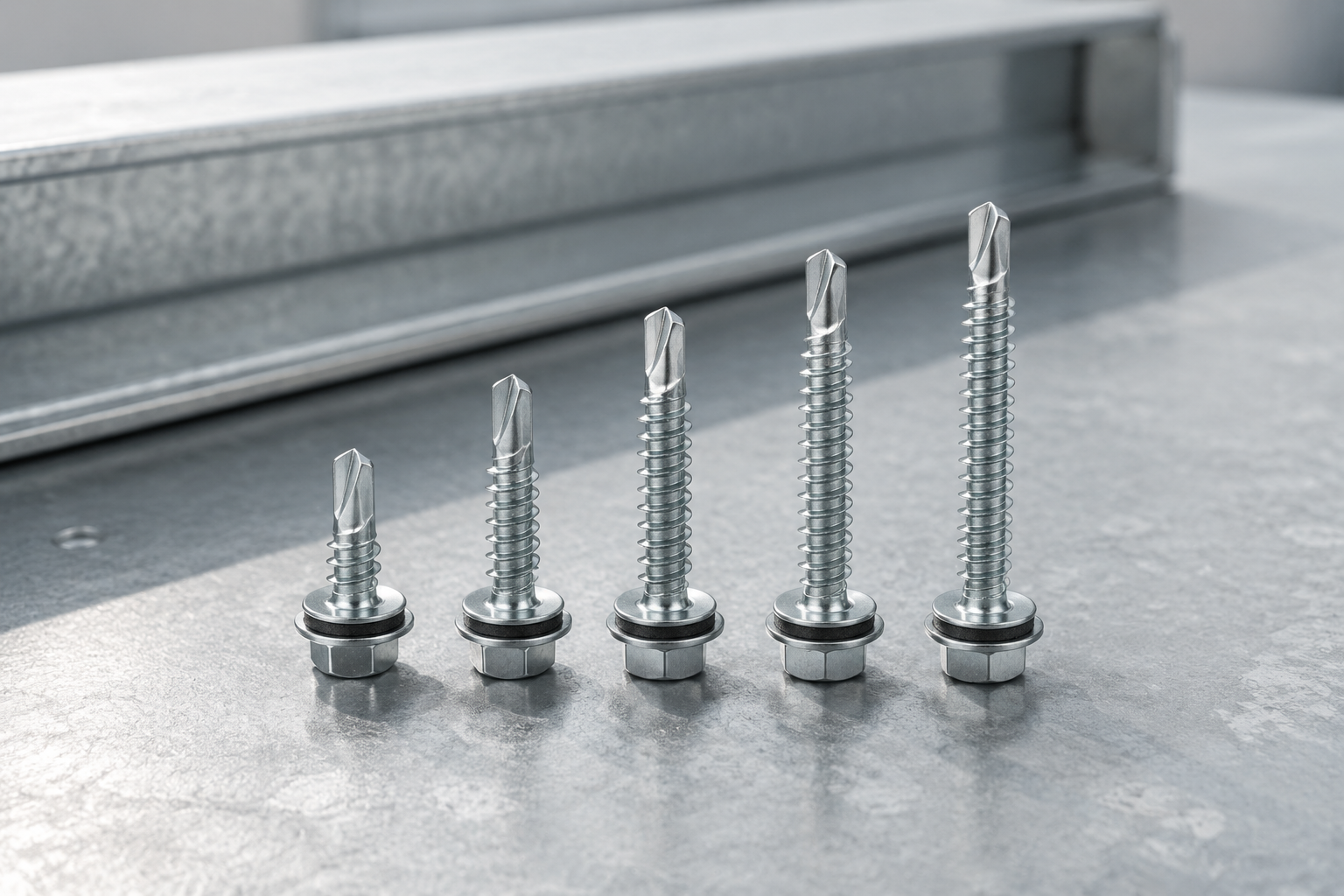
The drill point is commonly identified by a point number, such as Point #1, Point #2, Point #3, Point #4, or Point #5. In general, a higher point number is associated with a longer drill section and a more demanding drilling application.
However, a drill point number alone is not a complete specification. Actual drilling performance can depend on the screw geometry, material, heat treatment, coating, driver speed, installation pressure, and the real thickness of the steel substrate.
Self-Drilling Screw Drill Point Chart
Use the following drill point chart as a selection framework. Final self-drilling screw selection should always be matched to the measured steel thickness and the product specification for the intended application.
| Drill Point | Typical Steel Application | Selection Focus | Common Applications |
|---|---|---|---|
| Point #1 | Very thin sheet metal and light assemblies | Short drilling task and controlled penetration | Light sheet-metal connections and selected thin-panel applications |
| Point #2 | Thin-gauge steel assemblies | Fastening thin metal sheets to compatible light steel supports | Sheet metal, light framing, and selected cladding details |
| Point #3 | Medium-gauge steel | Greater drilling capacity than light-sheet applications | Steel framing, roofing accessories, and industrial assemblies |
| Point #4 | Thicker steel components | Longer drilling section for more demanding metal penetration | Heavy-gauge steel, structural support details, and selected purlin connections |
| Point #5 | Heavier steel fastening tasks | Higher drilling requirement and longer point geometry | Thick steel sections, heavy framing, and project-specific structural assemblies |
The correct self-drilling screw drill point should be selected according to the complete joint, not the visible sheet alone. For example, a metal roofing screw may pass through a thin roof panel but still need to drill into a much thicker steel purlin below.
How Steel Thickness Affects Drill Point Selection
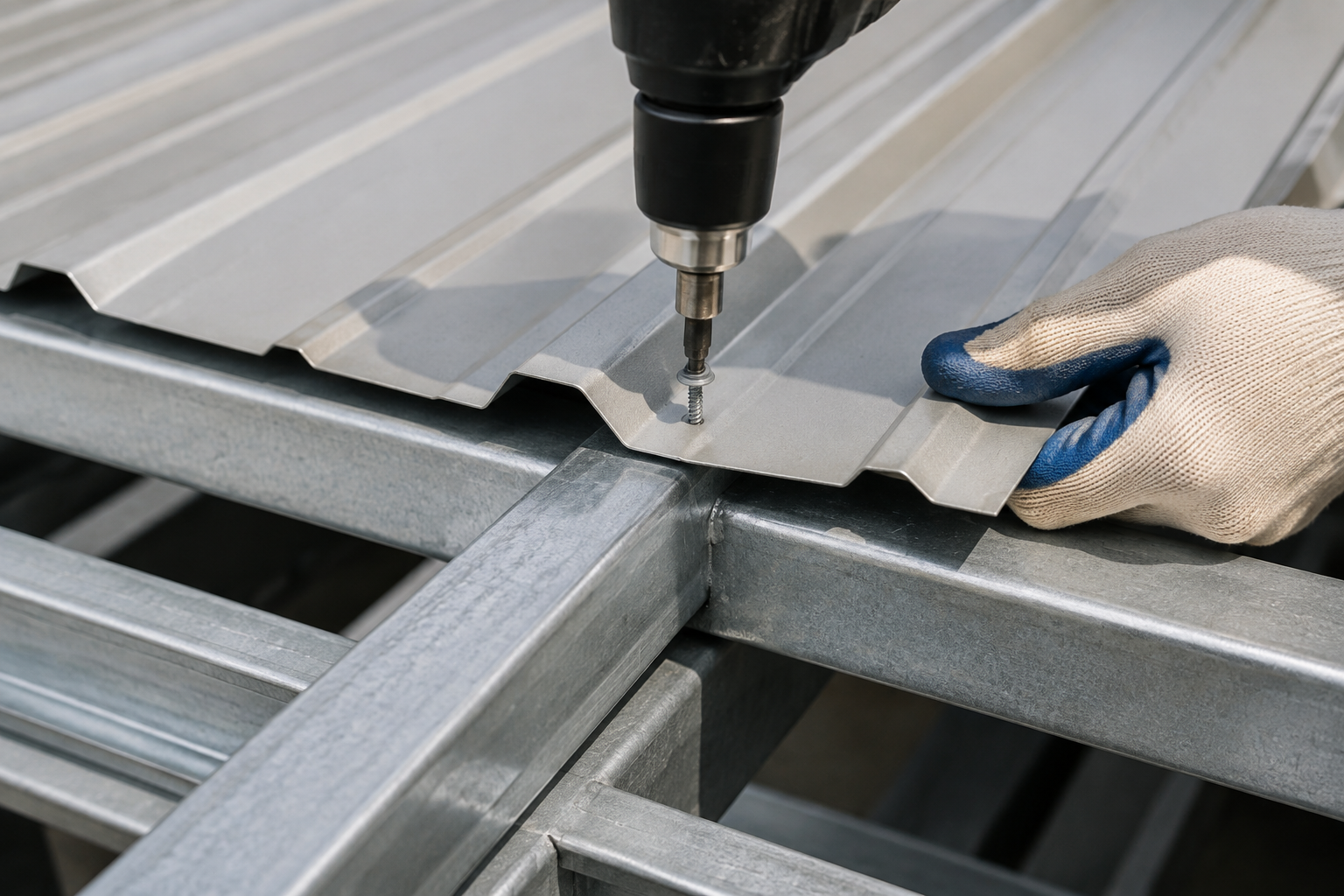
The most important input is the combined thickness of the metal layers that the self-drilling screw must penetrate before the threads can engage.
For a typical metal-to-metal fastening application, review:
- Roof panel thickness
- Steel purlin thickness
- Thickness of brackets, clips, spacers, or insulation supports
- Required screw length
- Required thread engagement
- Installation orientation and available driver access
A self-drilling screw for steel should have enough drilling capability to pass through the complete assembly without excessive force or damage. Selecting a point that is too light for the job can create heat, delay installation, or stop before the threads reach the intended engagement zone.
Selecting an unnecessarily aggressive drill point can also be inefficient for thin materials. The goal is not to use the longest point in every case. The goal is to match the Tek screw to the actual steel thickness and connection requirements.
Self-Drilling Screws for Light-Gauge Steel
Light-gauge steel is widely used in metal framing, cladding, roofing supports, and equipment assemblies. These projects often require a balance between drilling efficiency and controlled thread formation.
When selecting self-drilling screws for light-gauge steel, consider:
- Whether the screw connects metal to metal, metal to wood, or metal to another substrate
- The thickness of the steel support
- The location of the fastening point
- Required head type, such as a hex washer head
- Whether an EPDM washer is required for sealing
- The risk of thread stripping in thin materials
For thin sheet applications, the holding performance of a self-drilling screw depends on thread engagement and hole quality. A poorly selected point or uncontrolled installation process can enlarge the hole and reduce the effectiveness of the connection.
Metal Roofing Screws and Steel Purlins
A metal roofing screw is often installed through a coated steel roof panel into a steel purlin or other supporting member. The roof panel may be thin, but the purlin determines much of the drilling requirement.
For metal roofing screws, the selected specification should account for:
| Roofing Screw Requirement | Why It Matters |
|---|---|
| Self-drilling screw drill point | Must suit the steel purlin and total metal penetration task |
| Screw length | Must pass through the roof assembly and provide suitable engagement |
| Hex washer head | Supports practical installation with compatible driving tools |
| EPDM washer | Helps form a weather seal around the penetration point |
| Corrosion protection | Should suit the expected project environment |
| Roof panel profile | Affects installation position, sealing contact, and accessibility |
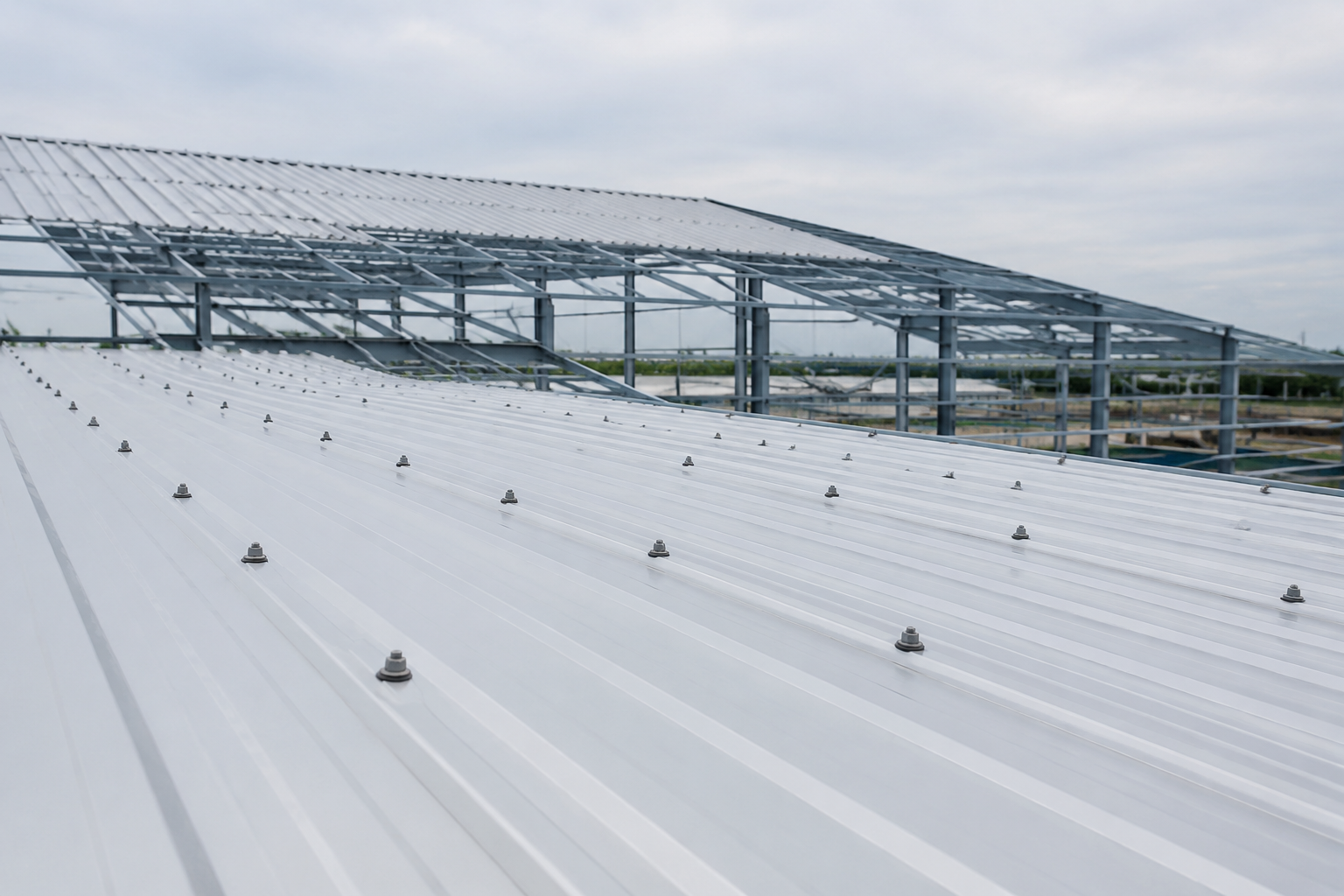
A self-drilling roofing screw should not be selected from roof-panel thickness alone. The correct choice depends on the panel, the steel substrate, the purlin thickness, and the required sealing arrangement.
Common Problems Caused by the Wrong Drill Point
Drill Point Cannot Penetrate the Steel
If the selected self-drilling screw is not suitable for the target steel thickness, the point may overheat, lose drilling efficiency, or fail before the threads begin to engage.
Oversized Hole or Reduced Thread Engagement
A poor match between the drill point, material thickness, and installation process can create an oversized hole. This can reduce the holding performance of the self-drilling screw, especially in thin steel.
Slow or Inconsistent Installation
When installers need excessive pressure or repeated attempts to drive a Tek screw, the selected point may not be appropriate for the substrate. Driver speed, tool condition, and the drilling point should all be reviewed.
Damaged EPDM Washer
For metal roofing screws with EPDM washers, extended drilling or uncontrolled driving can affect washer seating. A damaged or over-compressed EPDM washer can increase the risk of water entry around the fastening point.
Incorrect Screw Length
A suitable drill point does not solve an incorrect screw length. The screw must still provide the intended engagement after it passes through the complete assembly.
Installation Tips for Self-Drilling Screws
Correct installation is as important as selecting the correct self-drilling screw size.
- Use a suitable driver and compatible socket or bit.
- Keep the driver aligned with the fastening surface.
- Apply consistent pressure without forcing the drill point.
- Avoid excessive speed that can generate unnecessary heat.
- Stop driving once the EPDM washer is evenly seated.
- Replace damaged screws rather than reusing them.
- Review the first installed screws before starting high-volume installation.
For self-drilling screws for metal, installation consistency affects drilling performance, thread engagement, washer condition, and finished appearance.
Information to Provide When Requesting a Drill Point Recommendation
A complete inquiry helps identify the right self-drilling screw and drill point for the application.
| Specification Item | Information to Provide |
|---|---|
| Application | Roofing, cladding, steel framing, equipment assembly, or other fastening task |
| Steel thickness | Thickness of the roof panel, purlin, bracket, and other metal layers |
| Substrate | Light-gauge steel, thicker steel, timber, or another material |
| Screw type | Self-drilling screw, self-tapping screw, or other required fastener |
| Drill point | Required Point #1 to Point #5, or request a recommendation |
| Screw dimensions | Required diameter and screw length |
| Head type | Hex washer head, flat head, truss head, or another design |
| Washer requirement | EPDM washer, bonded sealing washer, or no washer |
| Environment | Indoor, outdoor, coastal, humid, or industrial exposure |
| Packaging and quantity | Bulk packing, branded packing, sample request, or project volume |
FAQ
What is the difference between a self-drilling screw and a self-tapping screw?
A self-drilling screw has a drill-shaped drill point that can create a hole before the threads engage. A self-tapping screw forms or cuts threads, but many applications require a prepared pilot hole before installation.
How do I select a self-drilling screw for steel?
Select a self-drilling screw for steel by reviewing the actual steel thickness, the total assembly thickness, the required screw length, the head type, the washer requirement, and the expected environment.
Does a higher drill point number always mean a better screw?
No. A higher drill point number is not automatically better. The best self-drilling screw drill point is the one that matches the actual steel thickness and application requirements.
Can self-drilling screws be used for metal roofing?
Yes. Self-drilling roofing screws are commonly used for compatible roof-panel and steel-support assemblies. The selected metal roofing screw should match the roof panel, purlin, screw length, sealing washer, and corrosion conditions.
Why is steel thickness important for Tek screw selection?
The steel thickness determines how much drilling capacity is required before the threads can engage. It directly affects the appropriate Tek screw, drill point, installation process, and finished holding performance.
Choose the Right Drill Point for the Complete Assembly
A reliable self-drilling screw selection starts with the actual steel thickness, not a generic product name. Match the drill point to the total drilling task, confirm the required thread engagement, choose the correct screw length, and specify the appropriate head and washer arrangement.
ScrewTrade supplies self-drilling screws, Tek screws, metal roofing screws, hex washer head screws, and fastening options with EPDM washers for global B2B projects. Share your steel thickness, assembly details, required dimensions, and application needs to receive a specification-focused recommendation.
Related News
Other news you might be interested in
Seleção de Parafusos para Telhados Metálicos: Comprimento, Tipo de Cabeça, Arruela e Substrato
Selecionar parafusos para telhados metálicos não é simplesmente uma questão de escolher um diâmetro e fazer um pedido. O fixador correto deve corresponder ao perfil do painel do telhado, ao substrato, ao engate de rosca necessário, ao ambiente de corrosão esperado e ao método de vedação em cada ponto de penetração.
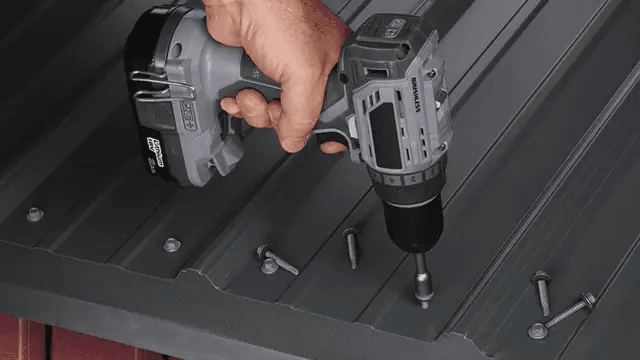
Parafusos auto-roscantes com arruelas EPDM: Mantenha uma fixação confiável mesmo em ambientes extremos
As arruelas EPDM (Monômero de Etileno Propileno Dieno) são feitas de uma borracha sintética altamente resistente aos raios UV, ozônio e temperaturas extremas. Ao contrário das arruelas de borracha padrão que racham ou endurecem com o tempo, o EPDM mantém a flexibilidade. Isso as torna adequadas para climas desérticos e costeiros, onde o calor, o sol e a exposição à areia podem danificar rapidamente outros materiais. Quando combinadas com parafusos auto-perfurantes, criam uma vedação firme que mantém a umidade e a poeira afastadas.
Want to know more?
Get in touch with us for more information about our services and products.