
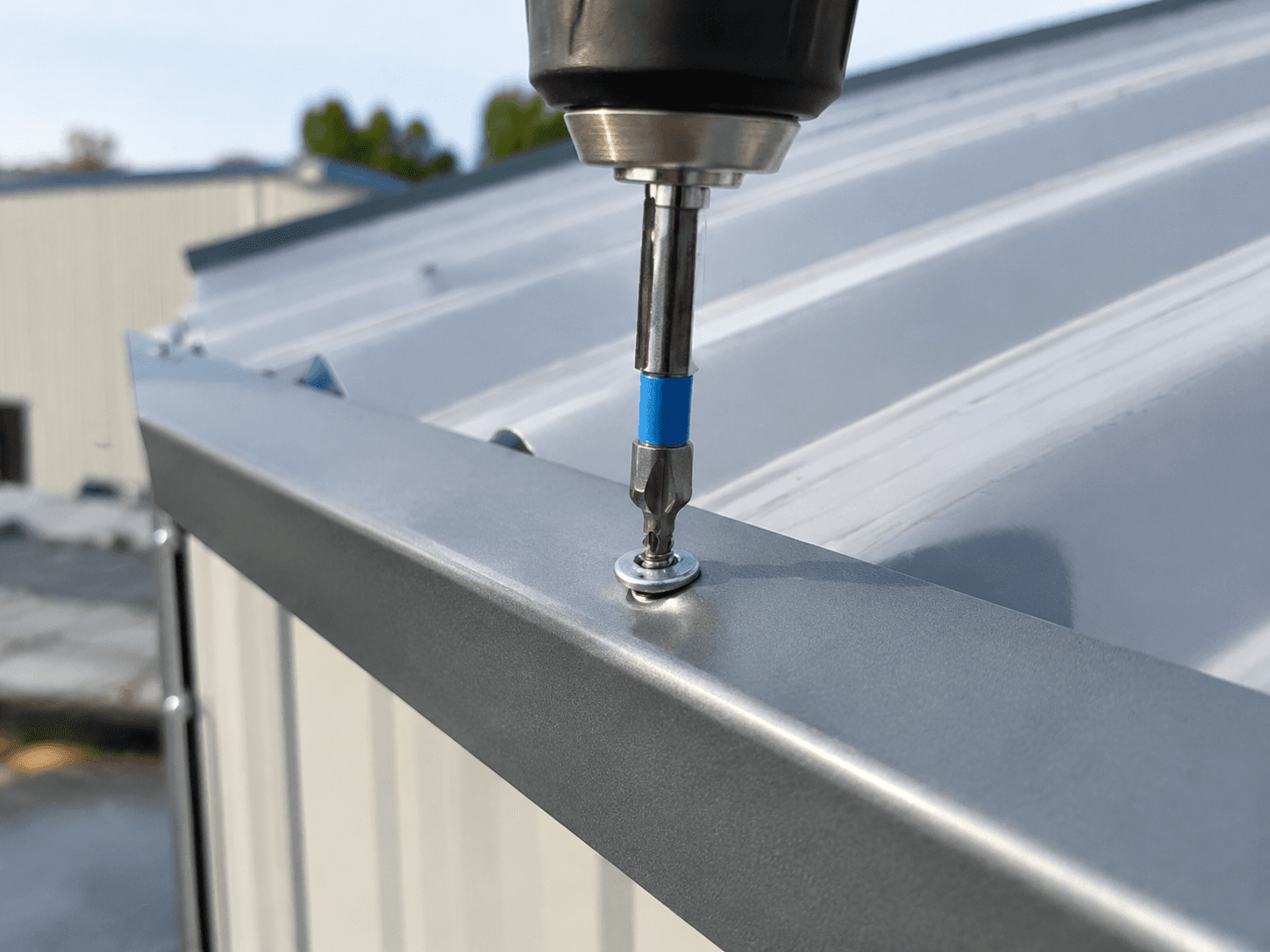
The Growing Demand for SS 304 Fasteners in Modern High-Rise Construction
The Humidity & Heat Challenge: A Threat to Southern Hemisphere Skylines
We talk to construction buyers in coastal and humid regions every day. One pattern keeps coming back: the environment is the hidden risk no one prices in.
Take South America's coastal urban belts or the Middle East's hot, salty zones. Buildings there face constant moisture, airborne salt, and big temperature swings. Those conditions eat metal faster than standard design assumptions allow.
In high-rise projects, this isn't a minor repair issue. It's a structural question. From our work supplying stainless fastening systems, we see fastener failure as one of the earliest trouble signs on building exteriors. Often it shows up long before the main structure reaches its planned lifespan.
That's why picking materials has moved from a procurement detail to a safety decision.
Why screwtrade's SS 304? Material Science Tailored for Harsh Environments
SS 304 is a common fastener material. But its real-world performance depends on consistency in the steel and how it's made.
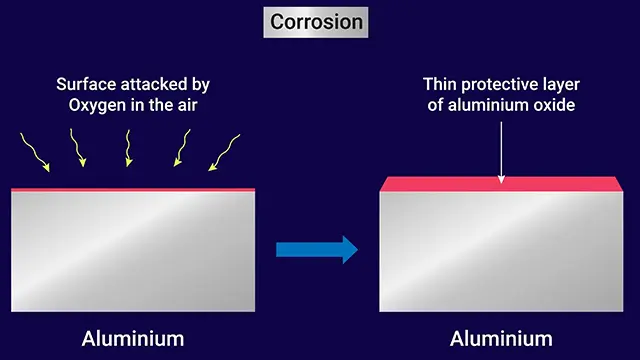
We design our SS 304 fasteners specifically for humid and coastal climates. The chromium and nickel create a passive oxide layer on the surface. That layer stops rust from spreading when moisture and salt are around.
In tropical coastal cities, that layer is critical. Once it's stable, corrosion slows way down compared to coated carbon steel.
At screwtrade, we control every production step. Our SS 304 fasteners are made with tight composition limits and tested in simulated coastal conditions before they ship. That means they perform reliably where humidity is high and salt is everywhere.
For B2B buyers, this adds up to predictable lifecycles and less time chasing repairs.
Engineering Safety for High-Rise Projects: Wind Loads & Long-Term Durability
High-rises in coastal South America and hot regions get hit with two things at once: corrosion and wind vibration.
Our SS 304 fasteners handle both. Through controlled cold-forming, they keep high tensile strength while staying ductile enough to avoid snapping under vibration.
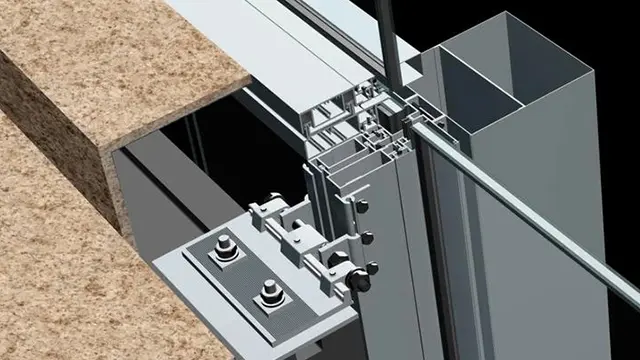
Think facades, curtain walls, external steel. Fasteners there must keep clamp force while fighting weather and mechanical stress. That balance is what makes a building safe over decades.
We supply fastening systems that meet international engineering standards for long-term reliability in exposed environments.
The Screwtrade Economic Model: ROI Thinking for Developers in High-Corrosion Regions
On tropical and coastal infrastructure jobs, the biggest cost isn't installation. It's what you spend five or ten years later.
Cheaper carbon steel fasteners often bring hidden expenses:
- More site checks to catch rust early
- Paid crews working at height to swap failed screws
- Structural repairs when corrosion spreads
SS 304 fasteners change that math. They need less attention over the building's life. That's why developers in humid regions now treat fasteners as long-term investments, not throwaway parts.
We build fastening systems to lower those long-term operating costs. The value isn't just in the steel. It's in less uncertainty over the whole asset life.
Strategic Sourcing: Screwtrade's Role in Global Infrastructure Supply Chains
On big construction jobs, reliable supply counts as much as reliable products.
screwtrade is a manufacturer that serves global infrastructure demand. We keep stable production and export-ready supply chains. Our products meet ISO and CE standards, so they work with engineering specs worldwide.
For buyers in fast-growing construction markets—especially expanding coastal cities—consistent delivery and clear paperwork are critical. Our model focuses on repeatability, traceability, and customization based on real applications.
That's why we act as a long-term industrial partner, not just a vendor. We support infrastructure growth in tough environments.
Conclusion
Building high in tropical and coastal zones pushes both materials and supply chains hard.
SS 304 stainless steel fasteners still offer the best balance between rust resistance and strength, especially where humidity and salt are daily facts.
Screwtrade keeps supporting global infrastructure with stainless fastening systems built for long-term stability, consistent quality, and real-world performance. Our goal: make sure the small connections last as long as the buildings they hold.
We supply high-quality, customizable fasteners to meet a wide range of project needs.
Contact Us for more information.
You can also explore our Full Product Catalog for detailed specifications.
Related News
Other news you might be interested in
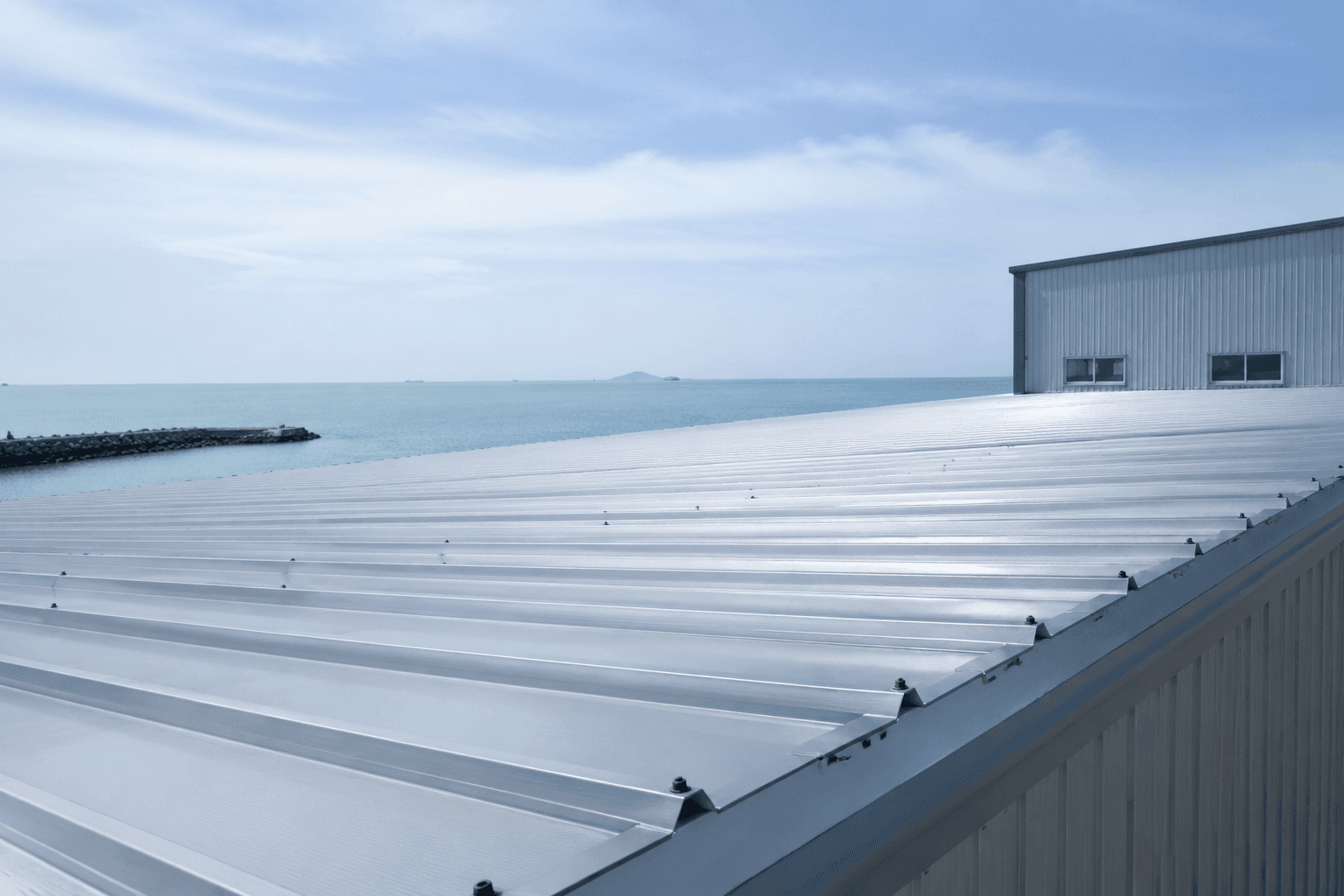
Metal Roofing Screw Selection: Length, Head Type, Washer, and Substrate
Selecting metal roofing screws is not simply a matter of choosing a diameter and placing an order. The correct fastener must match the roof panel profile, the substrate, the required thread engagement, the expected corrosion environment, and the sealing method at every penetration point.
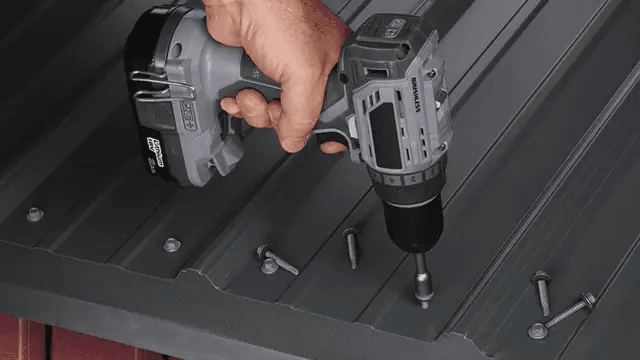
Self-tapping screws with EPDM washers: Maintain reliable fastening even under extreme environments
EPDM (Ethylene Propylene Diene Monomer) washers are made from a synthetic rubber that is highly resistant to UV rays, ozone, and extreme temperatures. Unlike standard rubber washers that crack or harden over time, EPDM maintains flexibility.This makes them well-suited for desert and coastal climates, where heat, sun, and sand exposure can quickly damage other materials. When paired with self-drilling screws, they create a tight seal that keeps moisture and dust out.
Want to know more?
Get in touch with us for more information about our services and products.