
Выбор саморезов для металлической кровли: длина, тип головки, шайба и основание
Selecting metal roofing screws is not simply a matter of choosing a diameter and placing an order. The correct fastener must match the roof panel profile, the substrate, the required thread engagement, the expected corrosion environment, and the sealing method at every penetration point.
A screw that looks suitable on a drawing can still create problems in service. A drill point may be too short for the supporting steel. A screw may be long enough to pass through the panel but not provide reliable engagement in the purlin. A washer may be compressed too little to seal, or too much to retain its long-term shape. These issues can lead to roof leaks, stripped holes, inconsistent installation, and unnecessary maintenance.
This guide explains how to choose metal roofing screws by evaluating four connected factors: screw length, head type, EPDM washer, and substrate.
Start With the Substrate, Not the Screw
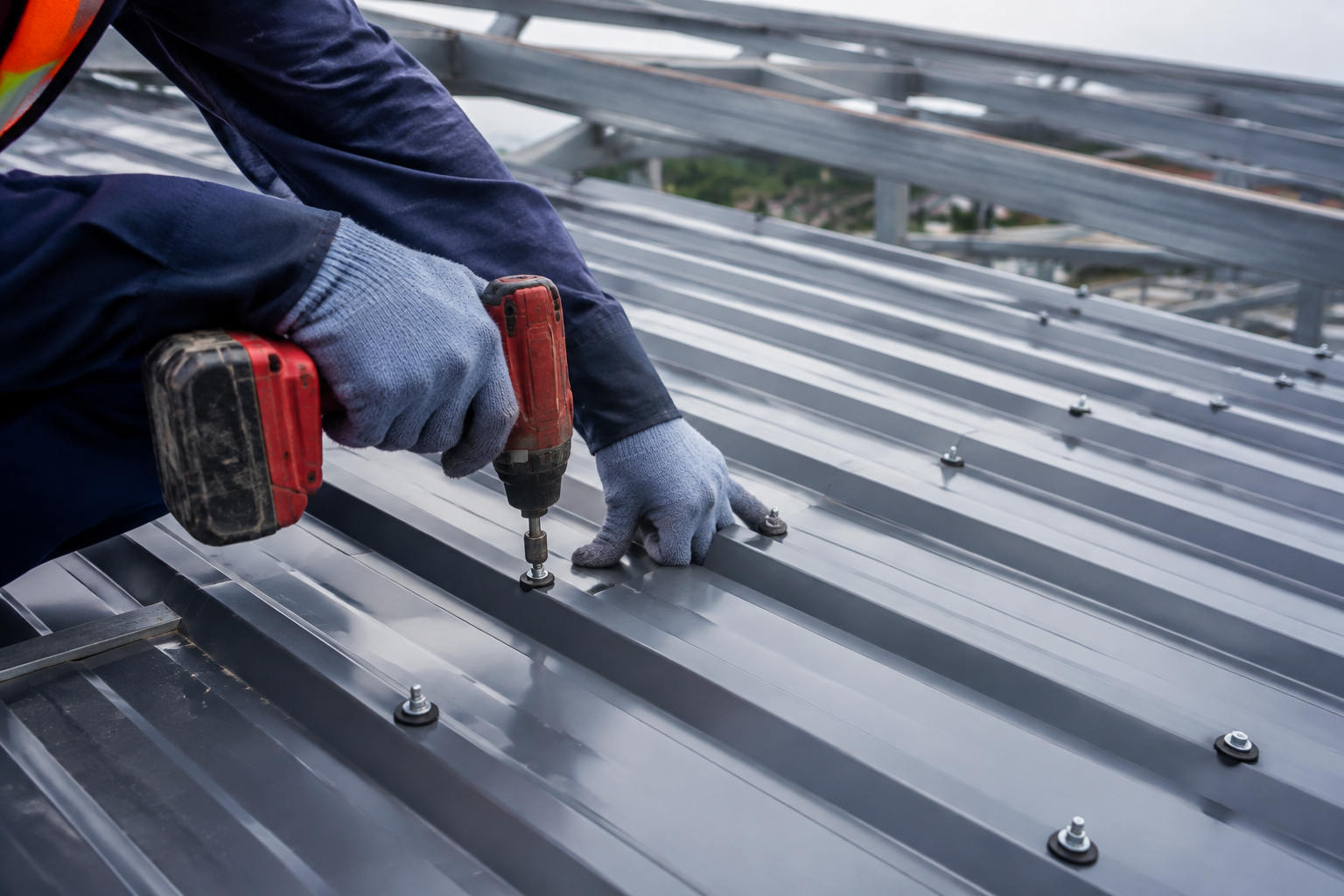
The substrate determines whether a roofing fastener needs a self-drilling point, what thread form is appropriate, and how much engagement is required. Before selecting a roofing screw, define what is below the roof sheet.
Common metal roofing substrates include:
- Timber purlins
- Light-gauge steel purlins
- Thicker structural steel
- Steel framing
- Layered assemblies with insulation, brackets, or clips
For timber purlins, the screw must penetrate the roofing sheet and provide sufficient thread engagement in wood. A self-drilling screw may still simplify installation through the metal panel, but the thread design and screw length need to suit the timber base.
For light-gauge steel, buyers commonly use self-drilling screws with a drill point selected for the actual steel thickness. The drill point creates the opening while the trailing threads form and hold the connection.
For thicker steel purlins or structural members, do not assume every self-drilling screw will perform the same way. The required drill point, drilling time, installation speed, and screw material should be matched to the substrate thickness and assembly design.
| Selection Question | What to Confirm | Why It Matters |
|---|---|---|
| Substrate material | Timber, light-gauge steel, or thicker steel | Determines the appropriate thread and drill-point approach |
| Substrate thickness | Actual thickness at the fastening location | Helps match the drill point to the required penetration task |
| Roof assembly | Panel, insulation, spacer, bracket, and purlin layers | Establishes the minimum usable screw length |
| Application environment | Inland, coastal, humid, industrial, or chemical exposure | Influences the suitable material and coating strategy |
| Panel profile | Corrugated, trapezoidal, standing seam accessory, or other profile | Affects placement, washer contact, and installation access |
How to Choose the Correct Screw Length
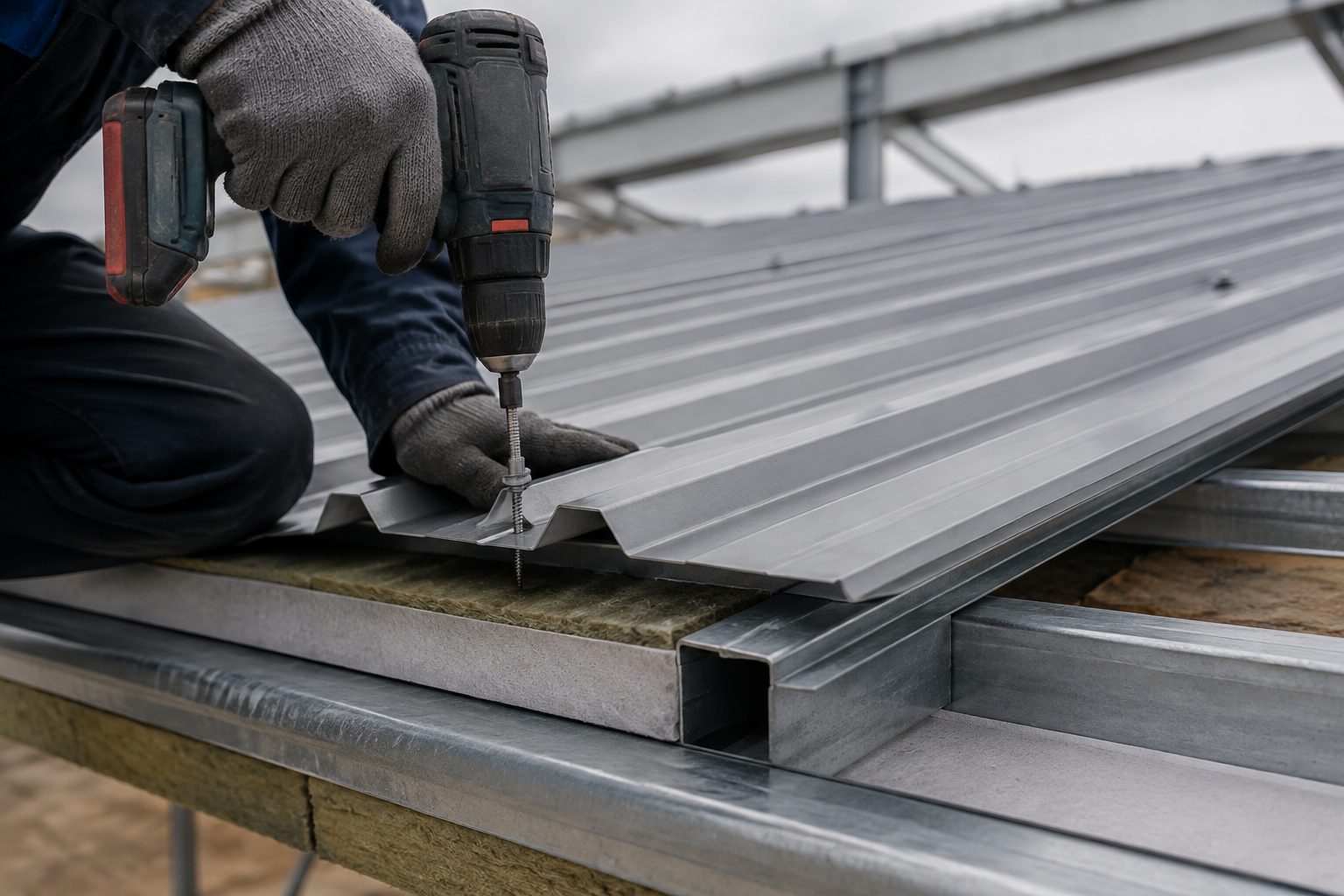
The right metal roofing screw length is determined by the entire assembly, not by the roof panel alone.
A practical selection process is:
- Measure the roof panel thickness.
- Include the thickness of any insulation, spacer, bracket, or sealing component.
- Identify the material and thickness of the substrate.
- Select a screw that provides suitable thread engagement after passing through the complete assembly.
- Confirm that the selected drill point can handle the target substrate.
A screw that is too short may not achieve reliable engagement. A screw that is unnecessarily long can slow installation, create handling issues, or leave excessive exposed length below the substrate.
For metal-to-metal roofing fasteners, the drill point and thread section work together. The drill point must pass through the roof panel and supporting steel; the threads must then engage the substrate without damaging the hole. This is why screw length, drill point, and steel thickness should always be considered together.
Avoid selecting roofing screw length from a product photo or a generic size chart alone. The same roof panel can use different screw lengths when installed over timber, steel purlins, insulation systems, or metal brackets.
Choose the Head Type for Installation Control
The screw head type affects how installation force is applied, how the fastener sits against the panel, and how easily installers can work in the available space.
For many metal roofing applications, a hex washer head screw is a practical option because it provides a broad driving surface and is commonly used with socket tools. It is often selected for roofing and cladding work where fast, repeatable installation is important.
Other common choices include:
- Hex washer head: Common for metal roofing screws, steel framing, and panel fastening.
- Flat head: Used where a lower-profile finish is required and the joint design allows it.
- Truss head: Provides a wider bearing surface for selected thin-sheet or assembly applications.
- Phillips head: Used in some lighter-duty or access-limited fastening applications, depending on the joint design.
The correct screw head should be selected together with the washer arrangement. A roof screw is not only a fixing point; it is also part of the weather seal.
Why the EPDM Washer Matters
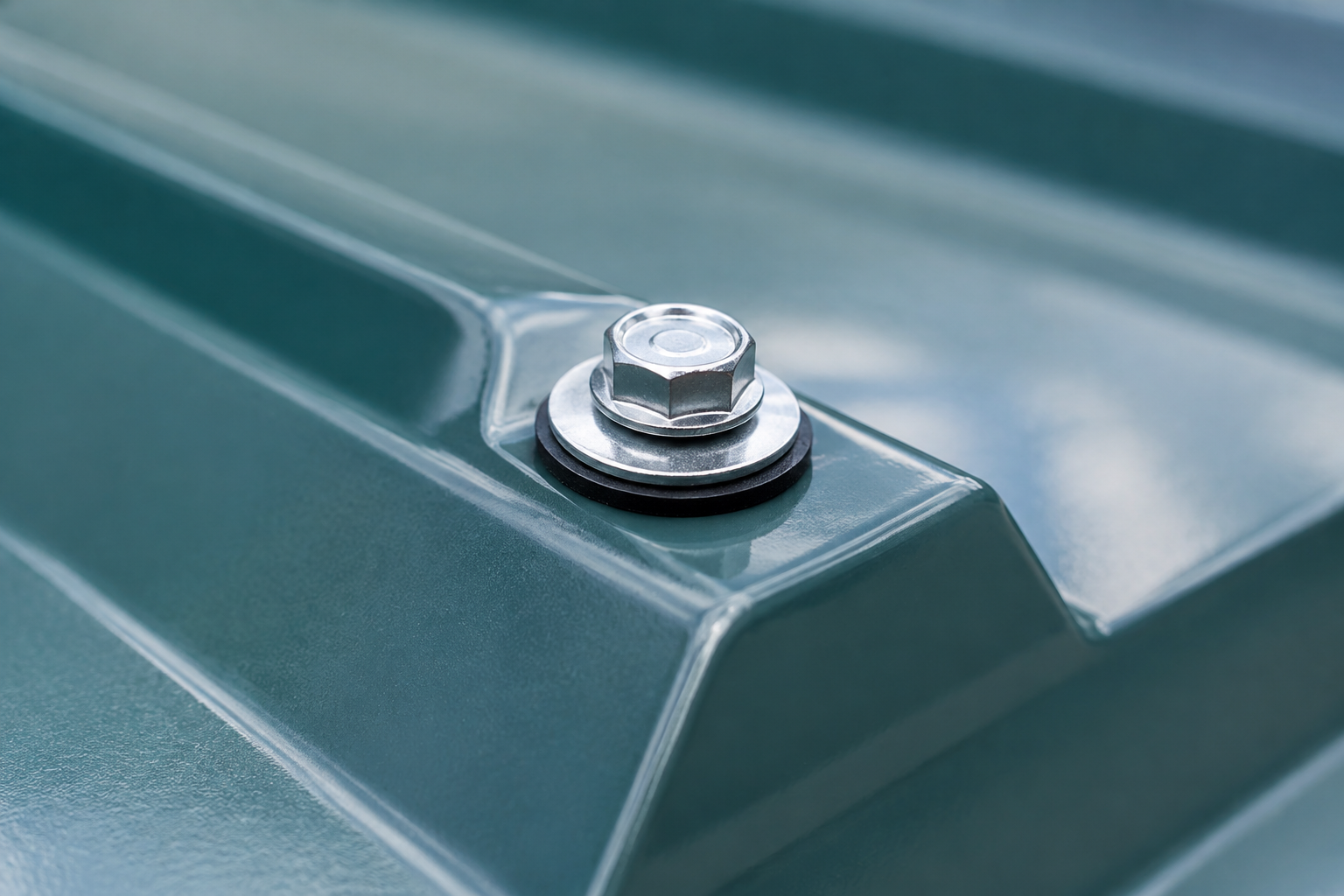
An EPDM washer helps create a seal between the screw head and the roof panel. When installed correctly, the washer fills minor irregularities around the penetration point and helps resist water entry.
For roofing assemblies, the washer should be selected based on:
- Roof panel material
- Panel profile
- Exposure to sunlight and weather
- Expected temperature changes
- Required corrosion resistance
- Compatibility with the selected metal roofing screw
A typical EPDM washer screw combines a metal backing washer with an elastomeric sealing layer. The metal component helps distribute installation load, while the EPDM rubber washer provides the weather seal.
However, the washer can only perform well when the screw is installed correctly.
| Washer Condition | Likely Result | Corrective Action |
|---|---|---|
| Under-compressed EPDM washer | Incomplete contact around the penetration point | Adjust installation technique and confirm seating |
| Over-compressed EPDM washer | Excess deformation and reduced sealing consistency | Reduce driving force and avoid over-tightening |
| Damaged washer | Higher risk of water entry | Replace the fastener rather than reusing it |
| Wrong washer size | Poor contact with the panel profile | Match washer diameter and head design to the application |
| Incompatible material combination | Potential corrosion or sealing concerns | Review the full roofing fastener system before ordering |
The goal is a uniform, controlled seal. The washer should sit firmly against the panel without being crushed excessively.
Match the Drill Point to Steel Thickness
The self-drilling screw drill point is one of the most important parts of a metal roofing screw. It determines how the screw enters the panel and substrate before the threads begin to engage.
Different drill point designs are intended for different fastening conditions. A point that works efficiently in thin sheet metal may not be appropriate for a thicker steel purlin. Conversely, using an unnecessarily aggressive drill point in a thin assembly can increase the risk of an oversized hole or reduced thread holding.
When reviewing a self-drilling screw specification, provide:
- Steel thickness of the roof sheet
- Steel thickness of the purlin or supporting member
- Required screw diameter
- Required screw length
- Head type
- Washer type
- Required material, coating, or corrosion protection
- Intended installation application
This information allows the supplier to recommend a more appropriate Tek screw, self-drilling roofing screw, or related fastening configuration.
Consider the Corrosion Environment Early
A metal roofing fastener may be exposed to rain, UV radiation, humidity, airborne salt, industrial pollutants, and thermal movement over its service life. Material and coating selection should therefore be considered before production, not after corrosion concerns appear on site.
For general applications, buyers may evaluate carbon steel screws with an appropriate surface treatment. For applications requiring higher corrosion resistance, stainless steel screws may be considered. The correct choice depends on the environmental conditions, the roof assembly, and the required mechanical performance.
For example:
- Inland roofing projects may require a different solution from coastal projects.
- Coastal construction may require greater attention to salt exposure and material compatibility.
- Industrial environments may require a more detailed review of airborne contaminants and coating suitability.
- Solar mounting systems and outdoor steel assemblies may require compatibility between the screw, washer, panel, and supporting structure.
Do not describe a coating by its name alone. A useful fastener coating decision should identify the intended environment, the expected exposure, the test requirement if applicable, and the complete fastening assembly.
Common Metal Roofing Screw Selection Mistakes
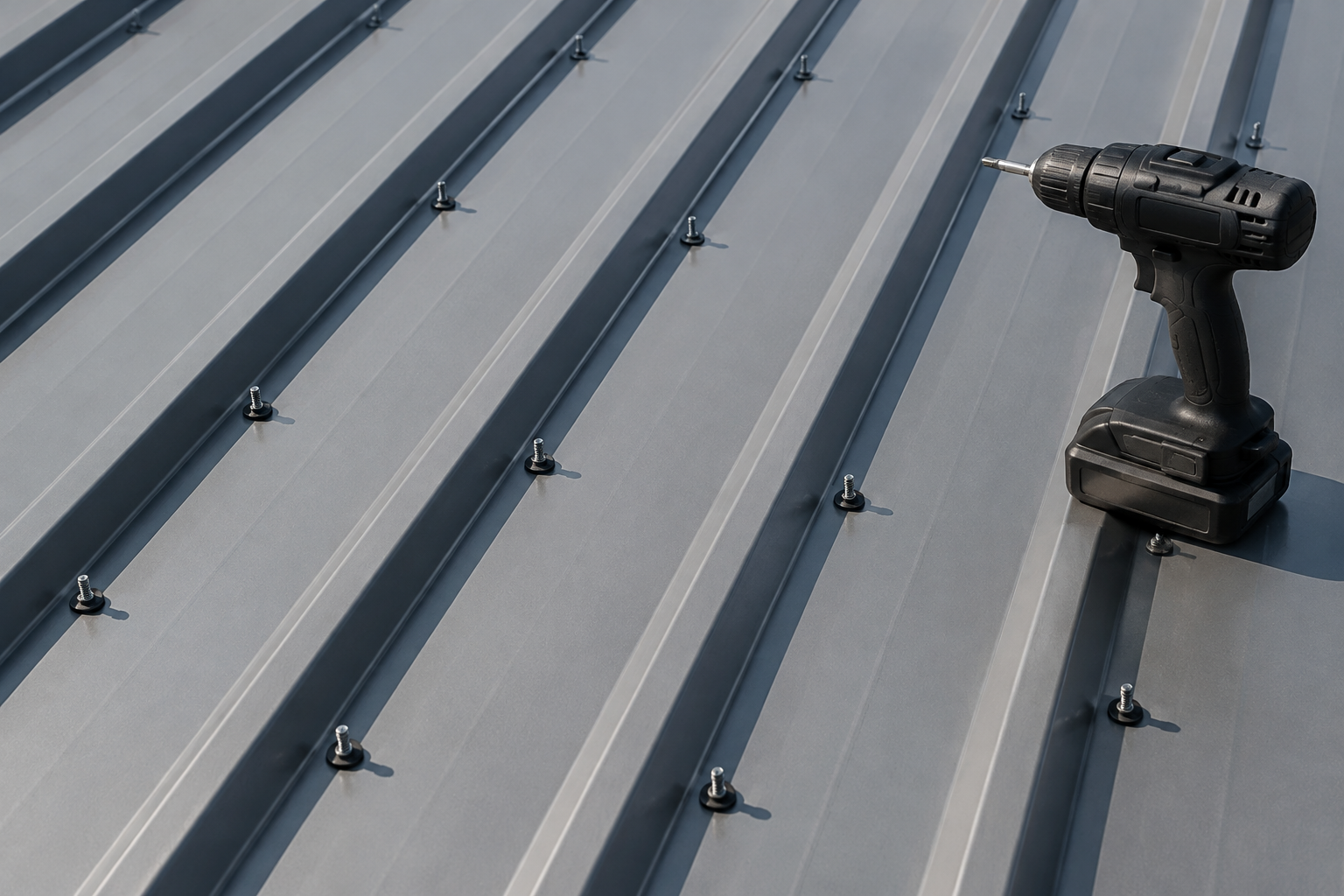
Choosing by panel thickness only
The roof sheet is only one layer. Ignore the substrate thickness, insulation, or bracket arrangement, and the selected screw length may be wrong.
Using one screw specification for every roof zone
Ridge details, wall cladding, roof laps, steel purlins, and timber supports can require different roofing fasteners. A single specification may not suit every location.
Treating the washer as an accessory
The EPDM washer is part of the sealing system. Its size, material, backing, and installation condition all affect performance.
Over-tightening the roofing screw
Excessive driving force can deform the EPDM rubber washer, damage the panel coating, or reduce consistency across the roof.
Ignoring steel thickness when selecting a drill point
The wrong self-drilling screw drill point can increase installation time, cause overheating, enlarge the hole, or fail to create the intended engagement.
Requesting only a generic “roofing screw”
A better request includes the substrate, panel type, steel thickness, length, head, washer, material, coating, packaging, and quantity.
Metal Roofing Screw Specification Checklist
Use this checklist when preparing an inquiry for metal roofing screws:
| Specification Item | Information to Provide |
|---|---|
| Application | Metal roof, wall cladding, steel framing, solar mounting, or other assembly |
| Roof panel | Material, profile, and thickness |
| Substrate | Timber, light-gauge steel, or thicker steel |
| Substrate thickness | Actual thickness at the fastening point |
| Screw type | Self-drilling screw, self-tapping screw, or another required type |
| Screw dimensions | Diameter and required screw length |
| Head type | Hex washer head, flat head, truss head, or other design |
| Washer | EPDM washer, bonded washer, or specified sealing arrangement |
| Material and coating | Carbon steel, stainless steel, or required corrosion-protection system |
| Packaging | Bulk packing, branded packing, or project-specific requirements |
| Quantity | Trial, repeat order, or container-scale purchase plan |
A complete specification reduces uncertainty before sampling and helps ensure the selected roofing screw is suitable for the actual installation condition.
FAQ
What is the best screw for metal roofing?
The best metal roofing screw depends on the panel, substrate, steel thickness, required screw length, head type, washer design, and corrosion environment. A self-drilling roofing screw may be suitable for many steel-based assemblies, but the drill point and thread engagement must match the job.
How do I choose metal roofing screw length?
Calculate the complete assembly thickness, then confirm the screw provides appropriate engagement in the supporting material. Consider the roof panel, insulation, brackets, and the purlin or other substrate.
Why are EPDM washers used on roofing screws?
An EPDM washer helps create a weather seal around the screw penetration. It supports water resistance when the correct washer, screw head, panel placement, and installation force are used together.
Can one roofing screw be used for timber and steel?
Not always. Timber and steel have different engagement requirements. A roofing screw should be selected according to the actual substrate, including material and thickness.
What information should I send when requesting a quote?
Provide the application, panel material, substrate, thicknesses, screw dimensions, head type, EPDM washer requirement, material or coating preference, packaging, and quantity.
Select the Complete Roofing Fastener System
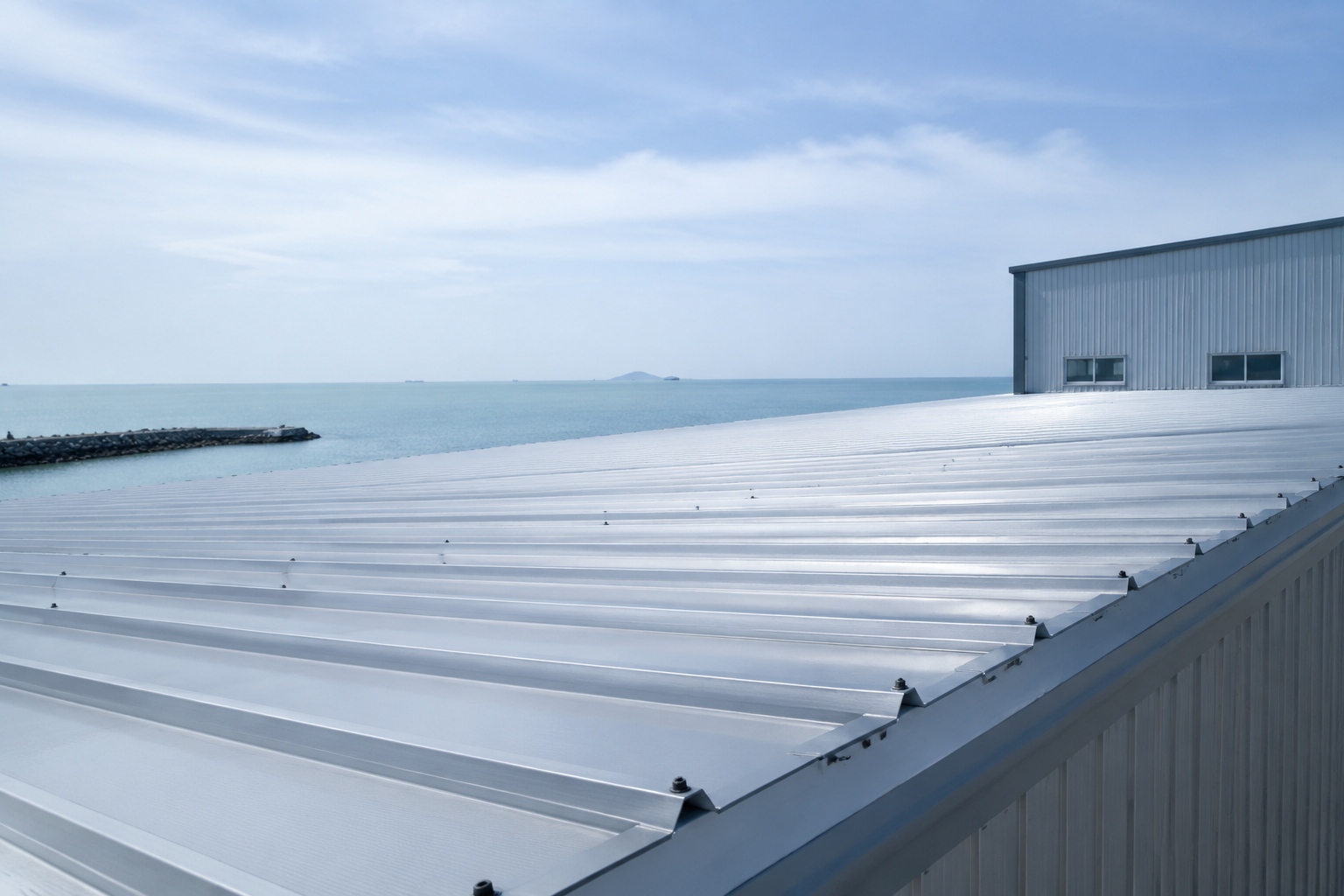
A reliable metal roofing screw is the result of a complete selection process, not a single catalog choice. Start with the substrate, calculate the required screw length, choose the correct head type, specify the suitable EPDM washer, and match the drill point to the actual steel thickness.
ScrewTrade supplies self-drilling screws, metal roofing screws, screws with EPDM washers, and related fastening options for global B2B projects. Share your roof assembly details, material requirements, and quantity plan to receive a specification-focused recommendation and quotation.
Related News
Other news you might be interested in
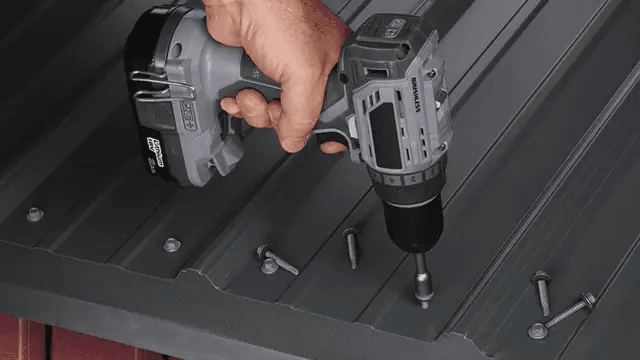
Самонарезающие винты с шайбами EPDM: Надежное крепление даже в экстремальных условиях
Шайбы EPDM (этилен-пропилен-диеновый мономер) изготавливаются из синтетического каучука, который обладает высокой устойчивостью к ультрафиолетовому излучению, озону и экстремальным температурам. В отличие от стандартных резиновых шайб, которые со временем трескаются или твердеют, EPDM сохраняет эластичность. Это делает их идеально подходящими для пустынного и прибрежного климата, где воздействие тепла, солнца и песка может быстро повредить другие материалы. В сочетании с самонарезающими винтами они создают герметичное уплотнение, предотвращающее проникновение влаги и пыли.
Рынок винтов из нержавеющей стали 2026: что покупатели B2B должны знать о стабильности поставок и производительности
С точки зрения B2B-закупок, этот сдвиг касается не только выбора материала, но и снижения долгосрочных рисков проекта. В Screwtrade мы видим, что все больше покупателей отдают приоритет коррозионной стойкости и сроку службы, а не краткосрочной стоимости, особенно в наружных и инфраструктурных применениях.
Want to know more?
Get in touch with us for more information about our services and products.