
Industry News
News center
Categories

Metal Roofing Screw Selection: Length, Head Type, Washer, and Substrate
Selecting metal roofing screws is not simply a matter of choosing a diameter and placing an order. The correct fastener must match the roof panel profile, the substrate, the required thread engagement, the expected corrosion environment, and the sealing method at every penetration point.
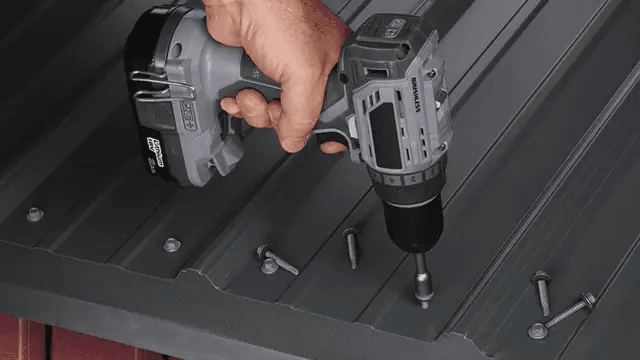
Self-tapping screws with EPDM washers: Maintain reliable fastening even under extreme environments
EPDM (Ethylene Propylene Diene Monomer) washers are made from a synthetic rubber that is highly resistant to UV rays, ozone, and extreme temperatures. Unlike standard rubber washers that crack or harden over time, EPDM maintains flexibility.This makes them well-suited for desert and coastal climates, where heat, sun, and sand exposure can quickly damage other materials. When paired with self-drilling screws, they create a tight seal that keeps moisture and dust out.
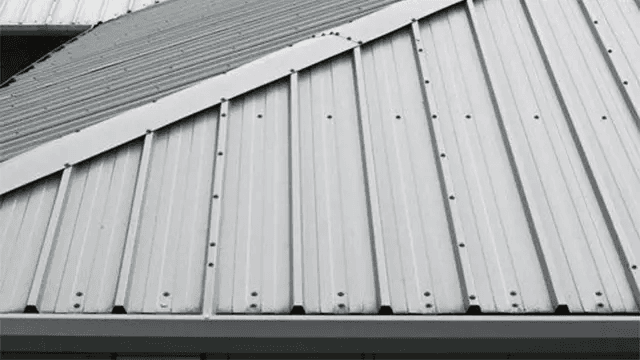
2026 Stainless Steel Screws Market: What B2B Buyers Should Know About Supply Stability and Performance
From a B2B sourcing perspective, this shift is not just about material choice—it’s about reducing long-term project risk. At Screwtrade, we see more buyers prioritizing corrosion resistance and lifecycle performance over short-term cost, especially in outdoor and infrastructure applications.
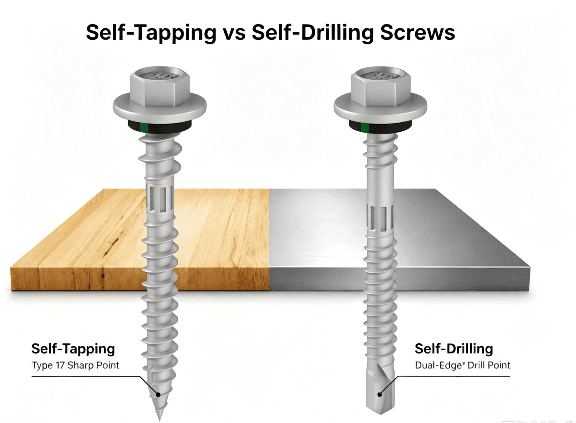
Self-Tapping vs. Self-Drilling Screws: What is the Real Difference?
In the commercial construction and metal building industries, the terms self-tapping screws and self-drilling screws are frequently used interchangeably. However, misinterpreting the technical difference between these two fasteners can result in damaged substrates, stripped screws, or costly onsite delays.
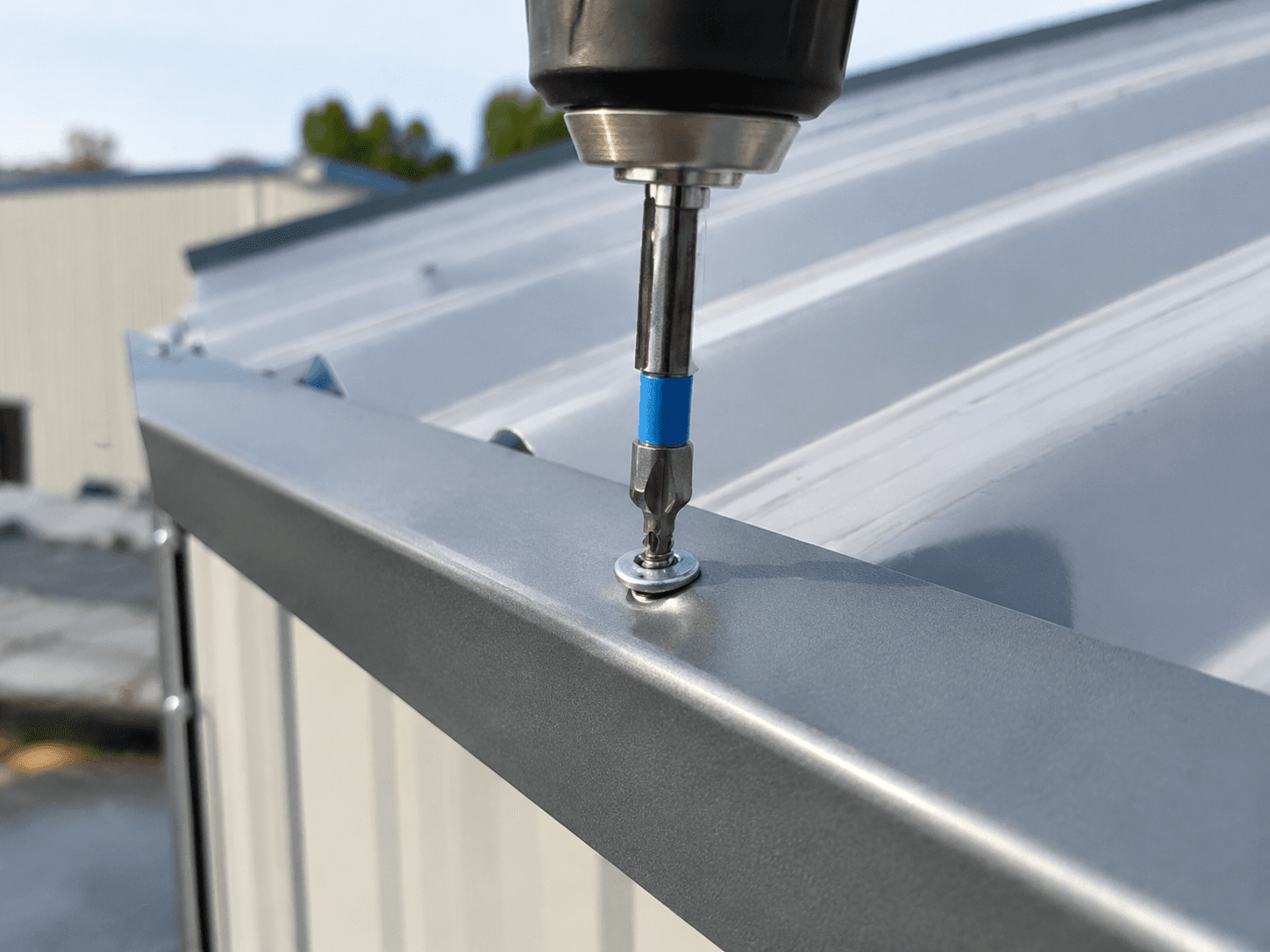
The Growing Demand for SS 304 Fasteners in Modern High-Rise Construction
We talk to construction buyers in coastal and humid regions every day. One pattern keeps coming back: the environment is the hidden risk no one prices in.Take South America's coastal urban belts or the Middle East's hot, salty zones. Buildings there face constant moisture, airborne salt, and big temperature swings. Those conditions eat metal faster than standard design assumptions allow.In high-rise projects, this isn't a minor repair issue. It's a structural question. From our work supplying stainless fastening systems, we see fastener failure as one of the earliest trouble signs on building exteriors. Often it shows up long before the main structure reaches its planned lifespan. That's why picking materials has moved from a procurement detail to a safety decision.
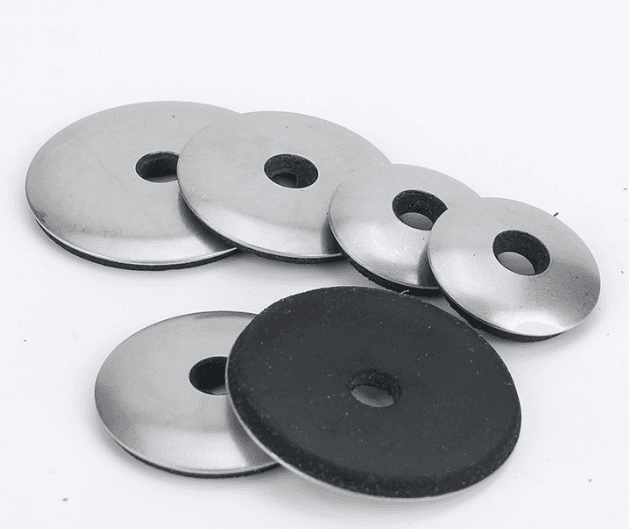
screwtrade - China Top-Rated EPDM Rubber Washer Manufacturer
How can modern infrastructure maintain structural integrity when exposed to decades of relentless weathering and thermal fluctuations? Is it possible for a component as small as a washer to dictate the lifespan of a multi-million-dollar solar installation or industrial building? In the global construction landscape, the answer lies in the precision of sealing technology.
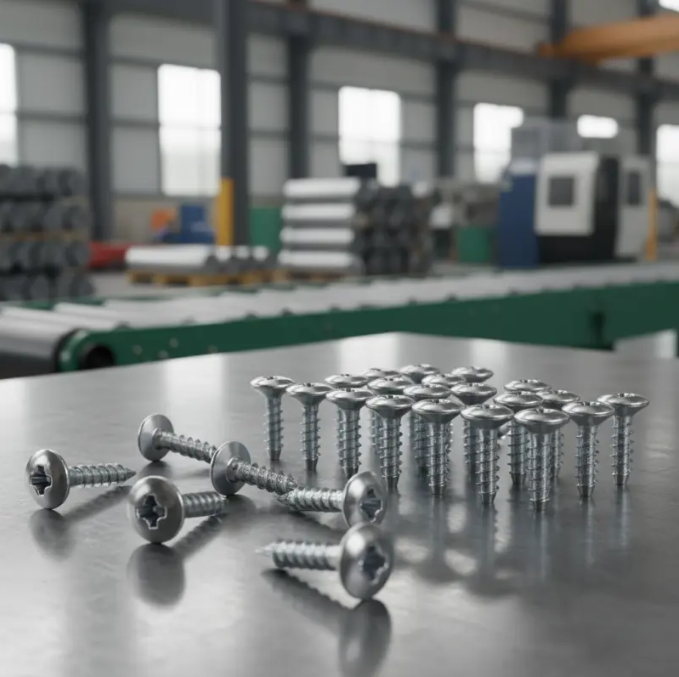
2026 China Premium Truss Head Self-Tapping Screw Factory Guide
In the fast-evolving construction and manufacturing sectors, reliable fastening solutions have become more critical than ever before. Driven by surging demand for faster and more efficient assembly processes, the market for truss head self-drilling screws is poised for rapid expansion. For instance, the global construction industry was valued at approximately USD 10 trillion back in 2022 – an enormous figure that vividly demonstrates robust market demand for products such as Phillips truss head self-drilling screws.

How to Use Self Tapping Screws?
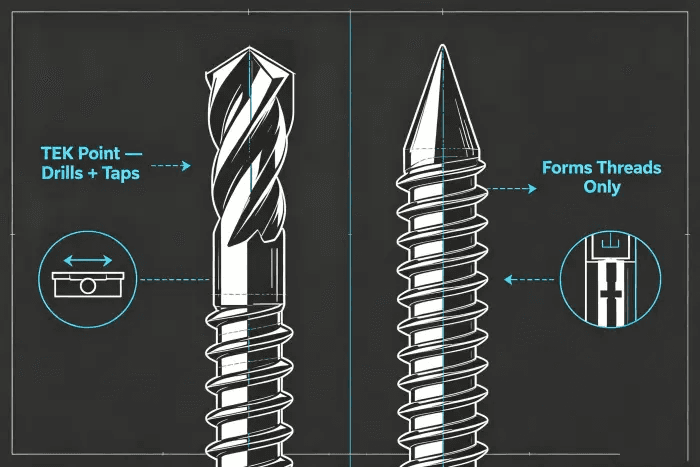
Usage Principles of Self-Tapping Screws: First distinguish between self-tapping screws and self-drilling screws. Self-drilling screws feature drill bits, capable of drilling holes and tapping threads in one step; conventional self-tapping screws generally require pre-drilled pilot holes. The pilot hole size shall be adjusted according to the screw diameter, thread tapping method and base material. For instance, the required hole dimension differs for soft plastic, aluminum alloy and steel substrates. Thin metal sheets can be installed without pilot holes under specific working conditions, yet pre-drilling is mandatory for thick steel plates or structural steel connections. To avoid thread stripping, regulate rotational speed and feed pressure, adopt screw length matching the blind hole depth, and replace worn screwdriver bits timely. In addition, self-tapping screws are not suitable for connections requiring frequent disassembly and assembly.
How to Choose the Right Fastener Material for Different Working Environments?
Most people tend to underestimate fasteners, as they look small and unremarkable at first glance. In reality, every screw, bolt and nut acts as a critical support part for all types of machinery and industrial devices. The quality of chosen metal material directly affects three core indicators of finished equipment: safety performance, running stability and total usable lifespan. Many purchasers only compare thread sizes, head styles and product prices when ordering fasteners, yet they overlook the huge impact brought by raw material differences.